Kawaii Kitty Embroidery Design Review
As someone who has spent years curating machine embroidery design libraries for both personal hobbyists and serious craft businesses, I approach every new file with a critical eye. The market is flooded with generic patterns, but finding a truly usable asset that translates well from screen to fabric is rare. Today, I am putting the Kawaii Kitty Embroidery Design through its paces. This isn't just about how it looks in a preview; it is about how it performs when you load the embroidery file into your machine and stitch it onto a real product.
First Impressions: Mood and Visual Personality
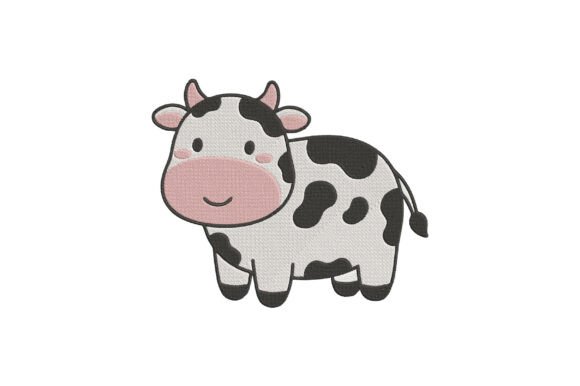
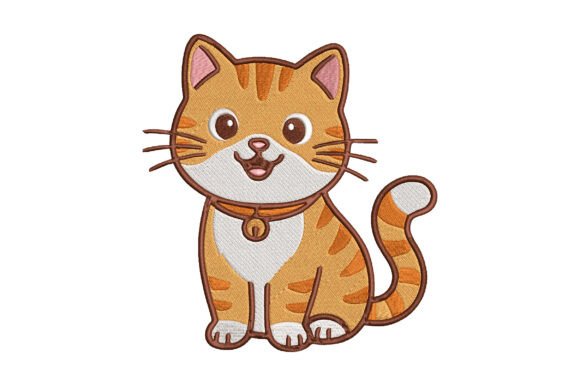
The moment you open the preview of this Cats themed design, the intent is clear. It leans heavily into the "cute" aesthetic without crossing into cluttered territory. The cheerful sitting cat features soft, rounded lines that are essential for this style. In the world of Embroidery, sharp angles can sometimes look harsh or break easily on stretchy fabrics, but this design relies on curves. The description mentions satin stitching and clean outlines, which immediately signals a polished finish.
For a small business owner looking to add a playful touch to their inventory, visual clarity is everything. This design avoids the trap of being too detailed for smaller hoops. The facial expressions are distinct enough to be recognizable even at a glance, yet simple enough to stitch cleanly. It feels like a design built for immediate appeal, perfect for personalized gifts or items meant to brighten up a nursery. The layout suggests a balanced composition where the cat sits comfortably within a standard hoop, minimizing the need for excessive trimming after the project is done.
Real-World Application: From Tote Bags to Sweatshirts
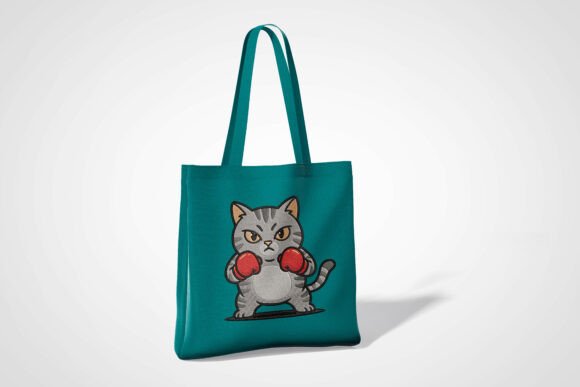
To truly test a digital embroidery file, I imagine specific use cases. Let's say I am preparing a line of custom tote bags for an upcoming craft fair. The Kawaii Kitty Embroidery Design would sit beautifully on the front pocket of a canvas bag. The stitch density appears moderate, which is crucial for cotton canvas; too dense, and the fabric puckers; too sparse, and the background shows through. Here, the balance seems right for a sturdy tote bag design.
Now, consider custom apparel. If I were embroidering this on a heavy cotton sweatshirt, the sweatshirt embroidery would likely hold up well due to the robust nature of the outlines. The soft satin stitches would catch the light nicely against the fleece texture, adding depth. However, if I were moving to lighter materials like a thin t-shirt or a baby onesie, I would need to be more cautious. For baby embroidery, safety and durability are paramount. The smooth edges of this cat design reduce the risk of snagging delicate skin, making it a safe choice for infant wear, provided the correct stabilizer is used.
I also see great potential for creating an embroidered patch. The clean outlines mean the design can be cut out precisely and applied to denim jackets or backpacks. For an Etsy seller or a boutique owner, patches offer a high-margin product that customers love for customization. The finished product would look professional, elevating a simple accessory into a statement piece.
Holiday Gifts and Seasonal Merchandise
Seasonality drives a lot of sales for handmade shops. While this is not explicitly a holiday design, the universal appeal of a cute cat makes it versatile for holiday embroidery projects. Imagine this design stitched onto a kitchen towel as a Christmas stocking stuffer or placed on a pillow cover for a birthday gift. The neutral color palette of the base design allows for easy adaptation. You could switch the thread colors to red and green for the holidays or pastels for spring. This flexibility increases the value of the design assets in your library, allowing one file to serve multiple seasonal needs.
Navigating Fabric Challenges and Limitations
No design is perfect for every situation, and honesty is key in a professional review. There are scenarios where the Kawaii Kitty Embroidery Design requires careful handling. First, avoid using it on highly textured fabrics like thick knits or boucle wool unless you have significant experience. The texture can interfere with the running stitch and outline definition, causing the image to look fuzzy rather than crisp.
Dark fabrics present another challenge. While the design has clean outlines, stitching white or light-colored thread on black fabric often requires a backing fill or a specific underlay strategy to prevent the dark fabric from showing through the gaps in the satin stitch. Always test the design on scrap fabric first to check the contrast. Similarly, curved surfaces like caps require precise digitizing to follow the curve without distorting the cat's face. If the design is not specifically optimized for caps, the result might look stretched or uneven.
Another consideration is the hoop size. If you attempt to shrink this design significantly to fit a tiny 4x4 inch hoop, the details of the facial expression may become lost. Small details can turn into blobs of thread when scaled down too far. Always confirm the minimum recommended size before scaling. Additionally, products that undergo frequent washing, such as dish towels or aprons, need a stable fill stitch structure. If the design relies too heavily on long satin columns without proper support, they may unravel over time.
Professional Notes for Designers and Sellers
Before integrating this into your workflow, there are practical steps to ensure success. First, always run a test stitch on a piece of scrap fabric that matches your final material. This allows you to adjust tension and verify the stitch density. Second, pay close attention to the stabilizer. A tear-away stabilizer might work for stiff fabrics, but a cut-away is usually better for stretchy materials to maintain the shape of the design.
For those selling finished goods, consider creating a printable mockup to show customers exactly how the design will look on different products. This builds trust and reduces returns. Also, double-check the licensing terms. Even though the design is adorable, you must confirm whether it is allowed for commercial use. Some commercial embroidery licenses restrict the number of items you can sell or require attribution. Never assume; always read the fine print.
Finally, think about brand consistency. Does this cute cat align with your shop's aesthetic? If your brand is edgy or minimalist, this whimsical design might clash. However, for brands focused on comfort, playfulness, or family-oriented products, it fits perfectly. By carefully selecting designs that match your brand voice, you create a cohesive collection that resonates with your audience.
Final Verdict on the Kawaii Kitty Design
The Kawaii Kitty Embroidery Design offers a solid, reliable option for makers looking to inject some joy into their projects. Its clean execution and focus on soft shapes make it a strong contender for handmade products ranging from apparel to home decor. While it requires standard precautions regarding fabric type and stabilizer use, the potential for customer engagement is high. Whether you are a hobbyist making a gift for a grandchild or a small shop owner restocking your inventory, this design provides a charming foundation. Just remember to test, stabilize, and license correctly, and you will have a winner on your hands.