One in a Melon Embroidery Design Review
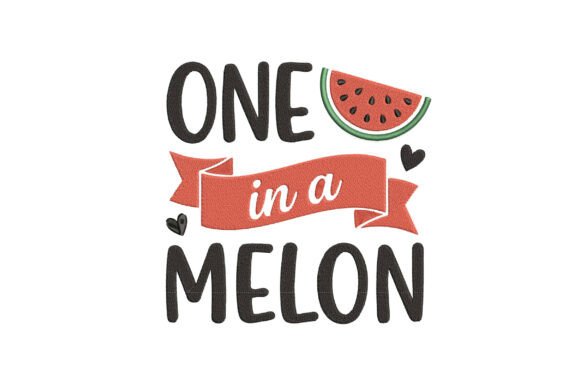
As an embroidery designer who has spent years translating digital files into tangible brand assets, I approach every new machine embroidery design with a critical eye. It is not enough for a file to look good on a screen; it must translate seamlessly onto fabric, withstand the rigors of washing, and elevate the perceived value of the product it adorns. Today, I am reviewing the One in a Melon Embroidery Design, a piece that promises to bring summer vibes to small business merchandise. With its bold lettering, cute watermelon slice, and playful ribbon banner, this design aims to capture a fun aesthetic. But does it hold up under professional scrutiny for branded patches, uniforms, and custom apparel? Let's dive into the details.
First Impressions: Visual Personality and Brand Fit
The moment I opened the preview of the One in a Melon Embroidery Design, the visual language was clear. This is not a corporate, minimalist logo. Instead, it exudes a friendly, rustic, and handmade charm. The combination of bold typography with the organic shape of the watermelon slice creates a balanced composition that feels both modern and classic. For businesses operating in the lifestyle sector—such as boutique bakeries, florists, pet brands, or creative studios—this design offers an immediate connection with customers who value authenticity and playfulness.
However, the "cute" factor requires careful placement within a broader brand identity. If your brand is strictly luxury or high-end formal wear, this punny motif might feel out of place. Conversely, for a café launching a seasonal menu or a shop creating limited-edition small business merch, the One in a Melon Embroidery Design acts as a perfect conversation starter. It signals that your brand is approachable and current, leveraging the universal appeal of Summer themes to drive engagement.
Performance in Real-World Business Applications
When evaluating an embroidery file for commercial use, I always ask: where will this actually live? The versatility of the One in a Melon Embroidery Design makes it a strong candidate for several key applications.
- Embroidered Patches: The distinct outline of the watermelon and the ribbon banner make this ideal for cut-out patches. These can be sewn onto denim jackets, tote bags, or even backpacks sold as customer gifts. The design holds its shape well, ensuring the "One in a Melon" message remains legible even when detached from the main garment.
- Staff Uniforms and Aprons: Imagine a team at a juice bar or ice cream shop wearing aprons featuring this design. As an apron embroidery element, it adds a cohesive look to staff attire without being overly distracting. It turns functional workwear into a mobile billboard for your brand.
- Cap Embroidery: The layout is relatively compact, which suggests it could work well on the front panel of a baseball cap. However, the curve of the cap front must be considered to ensure the text does not distort.
- Tote Bag Design: For eco-friendly retail bags, this design serves as a standout focal point. A large-scale version on canvas can transform a simple carrier into a desirable fashion accessory.
- Product Packaging Accents: While primarily for textiles, the visual concept can inspire labels or tags attached to physical products, reinforcing the handmade presentation of your goods.
In the realm of commercial embroidery, the ability to scale a design across different mediums is crucial. The One in a Melon Embroidery Design succeeds here by maintaining its character whether it is a small chest logo accent or a larger back-of-shirt statement.
Critical Considerations for Production
Despite its strengths, there are specific scenarios where this design requires caution. As a designer, I advise my clients to avoid using complex, detailed designs on surfaces that demand extreme precision or minimal bulk.
Size and Density Challenges
While the bold lettering helps, the stitch density in the watermelon slice and the ribbon banner could become problematic if scaled down too much. If you attempt to use this as a tiny sleeve detail or on a very small patch, the intricate shading might merge, losing definition. Always check the minimum recommended size before production. Furthermore, on dark uniforms, the light colors typical of a watermelon design may require significant underlay stitching to prevent show-through, which increases thread consumption and cost.
Fabric Texture and Hoop Size
The success of any digital embroidery file depends heavily on the substrate. Textured fabrics like heavy canvas or thick fleece can interfere with the fine details of the ribbon banner. Additionally, because the design includes both text and graphics, the required hoop size may be larger than expected. Ensure your machine setup accommodates the full width and height to avoid re-hooping, which can lead to registration errors and misaligned elements.
Impact on Brand Identity and Customer Trust
Using a high-quality design like One in a Melon Embroidery Design directly influences how customers perceive your business. A professionally executed embroidery job signals attention to detail and quality craftsmanship. When a customer receives a tote bag or wears a shirt with a crisp, well-defined logo, their trust in your brand increases. It moves your product from a generic commodity to a premium, handmade product.
This design also aids in visual consistency. By using the same motif across caps, bags, and staff uniforms, you create a recognizable visual language. In the crowded marketplace of Etsy sellers and local boutiques, this consistency helps buyers instantly identify your brand. The playful nature of the pun engages customers emotionally, making them more likely to share photos of their purchase on social media, effectively turning your merchandise into free marketing.
Practical Designer Notes for Implementation
Before you commit to a full run of custom apparel using this design, follow these essential steps to ensure a flawless finished product:
- Test in Black and White: First, stitch a test run using only black thread. This reveals structural issues, such as gaps in the satin stitches or areas where the design might pull the fabric, without the distraction of color.
- Verify Small Scale Legibility: If you plan to use this on a small patch, print a mockup at the exact intended size. Can you still read "One in a Melon"? If the letters blur together, consider simplifying the font or increasing the size.
- Check Thread Color Contrast: Ensure the red, green, and white threads of the watermelon pop against your chosen fabric. Low contrast can make the design look muddy and unprofessional.
- Select the Proper Stabilizer: Do not skimp on stabilizer. For items like tote bags or caps, a tear-away or cut-away stabilizer matching the weight of the fabric is non-negotiable to prevent puckering.
- Create a Printable Mockup: Before sending the order to production, generate a realistic printable mockup for client approval. This manages expectations and ensures the final result matches the vision.
- Confirm Licensing: Always review the license terms associated with the embroidery file. Ensure you have the rights to use this design for commercial embroidery projects and that you are not violating any restrictions on the number of items produced.
The One in a Melon Embroidery Design is a delightful asset for businesses looking to inject personality into their inventory. By understanding its strengths and limitations, and by adhering to best practices in digitizing and stitching, you can leverage this design to create memorable, high-value merchandise that resonates with your audience.