Panda Embroidery: A Craft Fair Designer Review
As I set up my booth for the upcoming weekend craft fair, the table is a sea of potential bestsellers. Aprons hang neatly on racks, tote bags are stacked in vibrant piles, and pillow covers await their final press. In this competitive landscape of handmade goods, every machine embroidery design must earn its place. Today, I am reviewing the Panda Embroidery design to determine if it has what it takes to become a staple craft fair product. This isn't just about how cute a panda looks on a screen; it is about how that image translates into a tangible, sellable handmade product that stops shoppers in their tracks.
First Impressions: Playful Appeal and Market Fit
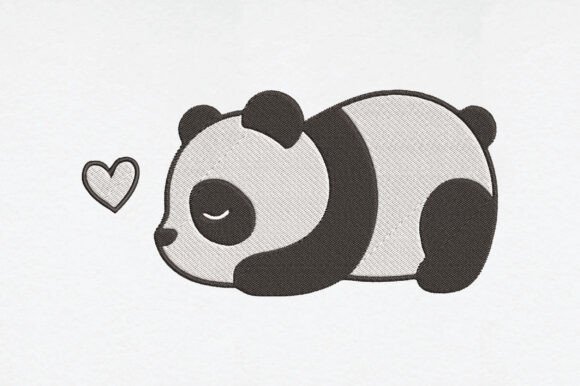
The moment I load the embroidery file onto my machine, the first impression is undeniable: pure charm. The description promises a "cute and playful style," and the visual confirms it. This is not a realistic wildlife depiction; it is a stylized, friendly character designed to evoke immediate affection. For the Nursery category, this is gold. Parents shopping for baby items or kids' clothing are drawn to soft, approachable imagery. However, the appeal extends beyond just infants. The clean lines suggest a modern aesthetic that fits well with the current farmhouse and minimal trends dominating Etsy and boutique markets.
In a crowded booth, where customers often scan tables in seconds, Panda Embroidery stands out because it is instantly recognizable. It does not require the viewer to squint or wonder what they are looking at. That clarity is crucial for a small shop product trying to compete with mass-produced goods. The design feels premium yet accessible, striking a balance that suggests high-quality craftsmanship without intimidating the buyer with complexity.
Product Versatility: Where Does It Shine?
When preparing a table display, versatility is key. I need designs that can travel across different product categories to maximize inventory turnover. Let's evaluate how Panda Embroidery performs on specific items:
- Tote Bags: This is likely the strongest application. A large version of the panda on a canvas tote bag design creates a bold statement piece. The sturdy fabric holds the stitches well, and the design becomes a focal point that draws eyes from across the aisle.
- Apron Embroidery: Placing the panda on the bib of an apron adds a whimsical touch to kitchen wear. It transforms a utilitarian item into a giftable treasure, perfect for new moms or cooking enthusiasts.
- Tea Towel Embroidery: On textured towels, the design needs careful placement. While the panda works beautifully here, the texture of the terry cloth can sometimes obscure fine details. It is best used as a centered motif rather than a small corner accent.
- Embroidered Patch: Creating patches allows for batch production. These can be sold individually or attached to denim jackets and hats, offering a lower price point entry for budget-conscious buyers.
- Pillow Covers and Caps: For nursery decor, a pillow cover featuring the panda is a natural fit. On caps, the curved surface requires precise digitizing to prevent puckering, but the result is a trendy accessory for toddlers.
For the Etsy seller creating digital listings, this design offers excellent potential for printable mockup creation. The clean silhouette photographs well against neutral backgrounds, making it easy to showcase the design on various fabrics without needing expensive physical samples for every variation.
Production Realities: Stitch Density and Fabric Texture
While the design is visually appealing, a professional review must address the practicalities of production. The description notes "clean stitch details," which implies a moderate stitch density. This is generally good for speed and efficiency, but we must remain vigilant. When producing a commercial embroidery run, dense areas can cause thread breakage or fabric distortion if not managed correctly.
I always advise testing the design on scrap fabric first. Specifically, check how the panda's ears and eyes render. Tiny details can get lost if the hoop size is too small or if the stabilizer is insufficient. For items like tea towels, where fabric texture is pronounced, you may need to increase the pull compensation slightly to ensure the stitches sit flat. If the design includes any small lettering alongside the panda, ensure it remains legible at your intended scale. A blurry name tag ruins the perception of quality.
Furthermore, consider the thread colors. While black and white are classic for pandas, using subtle grays or pastel accents can elevate the look for a nursery theme. High contrast is essential for visibility, especially on dark fabrics. Always confirm that the digital embroidery file supports color changes efficiently to minimize thread trimming time during a busy market day.
Practical Designer Notes for Success
To ensure Panda Embroidery becomes a profitable asset, follow these critical steps before your next market:
- Test Run: Never skip the test on scrap fabric. Check for puckering, especially on stretchy materials like jersey for kids' clothing.
- Stabilizer Selection: Use the right stabilizer for the fabric weight. Cutaway stabilizers work best for knits, while tear-away is sufficient for wovens like tote bags.
- Spacing and Placement: Ensure there is adequate space around the design so it doesn't feel cramped. This affects the perceived value of the finished product.
- Licensing Check: Before selling finished products or the design assets themselves, confirm the commercial licensing terms. Selling items made from a non-commercial file can lead to legal issues.
- Mockups: Create at least one real physical mockup for your booth. Customers want to see and feel the embroidery, not just view a photo on a tablet.
Visual Impact and Buyer Engagement
Ultimately, the success of Panda Embroidery lies in its ability to generate emotional engagement. In the world of handmade goods, people buy feelings as much as they buy objects. This design taps into nostalgia and tenderness. When a customer sees a panda embroidered on a tote bag, they imagine carrying their groceries, their books, or their baby's supplies with a smile. That visualization drives the sale.
From a brand consistency perspective, incorporating this design into a cohesive line—such as matching the panda on a bib, a burp cloth, and a onesie—creates a powerful collection. It encourages larger basket sizes. For the creative entrepreneur, this design offers a reliable anchor for a seasonal collection or a permanent staple in a nursery-focused shop.
However, remember that execution is everything. A poorly hooped design or mismatched thread tension can ruin even the cutest concept. By respecting the technical requirements of the machine embroidery design and focusing on high-quality presentation, Panda Embroidery has all the makings of a top-tier seller. It is versatile, emotionally resonant, and technically sound, provided you pay attention to the details of production. As I pack my booth for the weekend, this design earns a spot front and center, ready to find its way into the hands of happy customers.